Student Writing: A Practical Review for Crafts and School Amp Sellers
When I evaluate a new graphic design asset for my digital product shop, I am not just looking at the visual appeal. I am looking at versatility, commercial viability, and how easily it integrates into existing workflows. Recently, I came across an asset titled Student Writing, which falls under the categories of School Amp and Crafts. As a creator who sells on Etsy, Creative Fabrica, and various print-on-demand platforms, I needed to determine if this file was just another decorative element or a genuine workhorse for digital product creation.
This review breaks down exactly how I tested Student Writing, where it shines in product listings, and the specific pitfalls to avoid when turning this design into sellable merchandise. If you are a Cricut user, a Canva template seller, or a small business owner looking to expand your seasonal offerings, this analysis will help you decide whether to add this asset to your library.
First Impressions and Niche Appeal
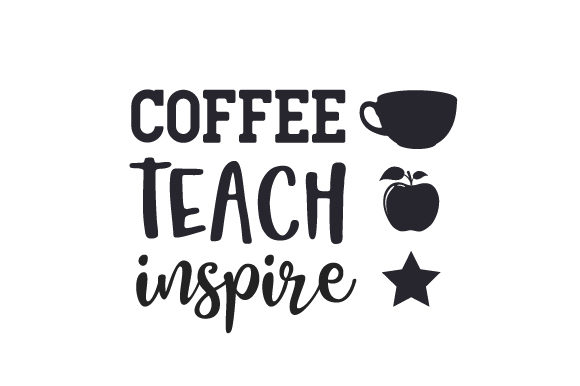
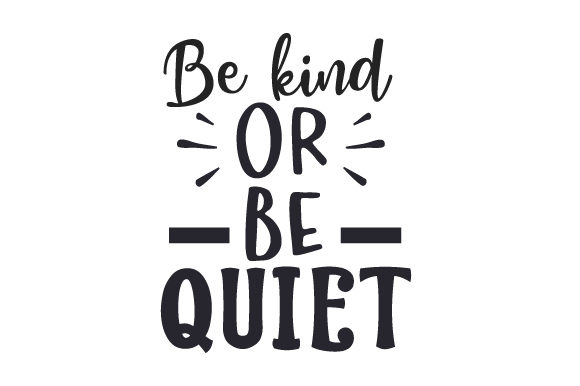
The moment I opened the preview of Student Writing, the immediate takeaway was its strong thematic relevance. The name suggests a focus on academic themes, back-to-school seasons, or educational content. Visually, it carries a personality that feels both playful and structured—traits that resonate deeply with teachers, parents, and students. In the crowded world of creative marketplace listings, standing out requires a clear visual identity. This asset delivers that by tapping into the universal nostalgia and utility associated with school life.
For sellers, this means the target audience is well-defined. You are not trying to sell this to everyone; you are selling to the educator market, the homeschooling community, and parents preparing their children for the new year. The design aesthetic leans towards being clean and legible, which makes it suitable for a wide range of applications without feeling cluttered. It avoids being overly childish while remaining approachable, striking a balance that allows for brand consistency across different product types.
Real-World Product Applications
The true test of any commercial design is its adaptability. Upon reviewing the included formats—SVG File, Transparent PNG, EPS, and DXF—it became clear that Student Writing is engineered for multi-platform use. Here is how I envision deploying these files across different revenue streams:
- Printable Wall Art & Planners: The high-resolution nature of the PNG file makes it ideal for printable designs. Teachers often look for motivational quotes or organizational headers for their classrooms. Student Writing can serve as a key header in planner stickers or as a central element in classroom decor bundles.
- Apparel and Accessories: For t-shirt design and mug design projects, the SVG format is crucial. The clean lines ensure that when cut with a Cricut or Silhouette machine, the edges remain sharp. This is perfect for creating sticker design sheets or vinyl decals for water bottles and tumblers.
- Digital Bundles: I see significant potential in grouping this asset into a design bundle. By pairing Student Writing with complementary clipart elements like pencils, books, or backpacks, you can create comprehensive "Back to School" kits. These bundles command higher price points and offer more value to the buyer.
- Social Media Graphics: Content creators need consistent visuals. Using Student Writing as a text overlay in social media graphics allows for quick branding. Whether promoting a new course or sharing teaching tips, the asset adds a professional yet friendly touch to Instagram posts and Pinterest pins.
Furthermore, the inclusion of EPS and DXF files opens doors for more technical applications. Designers can manipulate vector paths in Adobe Illustrator or CorelDRAW, allowing for custom color changes and scaling without quality loss. This flexibility is essential for creating premium sublimation design products where color accuracy is paramount.
Enhancing Product Presentation and Mockups
In the digital download space, your listing images are everything. A great asset like Student Writing needs to be presented effectively to drive clicks. When creating product mockup previews, I recommend placing the design on realistic backgrounds that reflect its intended use. For instance, showing the text on a physical notebook cover or a classroom whiteboard helps the customer visualize the end result.
Visual hierarchy is critical here. Use Student Writing as the focal point in your thumbnail images. Ensure there is sufficient contrast between the design and the background. If you are selling print-on-demand items, use mockups that show the design applied to tote bags, journals, or mugs. This increases perceived value and builds customer trust. A well-curated gallery that demonstrates the asset's versatility—from a simple sticker to a full wall art print—can significantly boost conversion rates.
Strategic Placement and Best Practices
While Student Writing is versatile, it is not a one-size-fits-all solution. To maximize its effectiveness, you must understand where it fits best within your product ecosystem.
Ideal Use Cases:
- Themed Collections: Integrate this asset into larger seasonal collections. It works beautifully alongside other academic-themed illustrations to create a cohesive look.
- Decorative Layouts: Use it for titles, headers, or badges. Its shape and style are likely designed to catch the eye, making it perfect for drawing attention to special offers or category labels.
- Digital Downloads: Since it comes in transparent PNG format, it is ready to drop into any Canva template or graphic design software without needing background removal.
Areas Requiring Caution:
However, there are scenarios where this asset might struggle. If you are creating tiny sticker design elements (under 1 inch), the details might become too small to recognize or cut accurately. Always test the scalability before publishing. Additionally, avoid using it on busy or dark backgrounds where contrast is low. Legibility is key for text-based designs; if the viewer has to squint to read the words, the design fails its purpose.
For Cricut projects requiring intricate cutting lines, inspect the SVG code closely. While most modern SVGs are optimized, complex curves can sometimes cause issues with cheaper cutting machines. A quick test cut on scrap material is always recommended.
Practical Seller Notes for Implementation
Before adding Student Writing to your store, follow this checklist to ensure a professional launch:
- Test on Real Mockups: Do not rely solely on digital previews. Print a sample or use a high-quality mockup generator to see how the colors translate.
- Verify Transparency: Check the PNG file against both white and black backgrounds to ensure no residual halos or white boxes remain around the edges.
- Font Pairing: If you are creating templates, pair Student Writing with complementary fonts. A serif font can add elegance, while a handwritten font can enhance the playful vibe. Avoid mixing it with overly ornate display fonts that compete for attention.
- Organize Files: When delivering to customers, organize the files clearly. Separate the SVG, PNG, EPS, and DXF files into labeled folders. This reduces support tickets and improves the user experience.
- Commercial License: Finally, double-check the commercial license terms. Ensure you have the right to sell finished products made with this asset. Some licenses restrict the number of physical items you can produce, while others allow unlimited sales for digital downloads.
In conclusion, Student Writing is a solid addition to any creator’s toolkit, particularly for those focused on the education and lifestyle niches. Its multi-format availability supports a wide range of design assets strategies, from simple printables to complex merchandise. By testing it thoroughly and presenting it with strong visual storytelling, you can turn this single asset into a profitable part of your online shop. Whether you are updating your Etsy product listings or expanding your handmade business catalog, Student Writing offers the flexibility and appeal needed to engage your audience effectively.