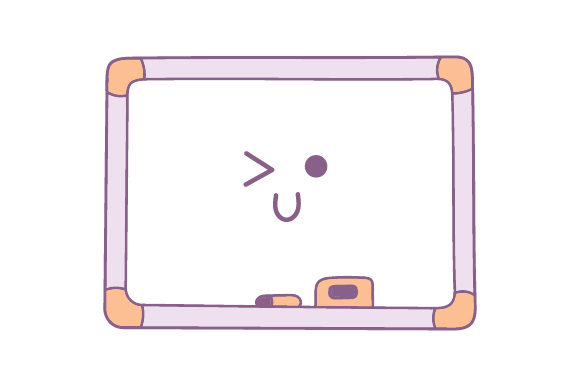
Whiteboard Emoji: A Crafts-Friendly Graphic Design Asset for School Amp Content
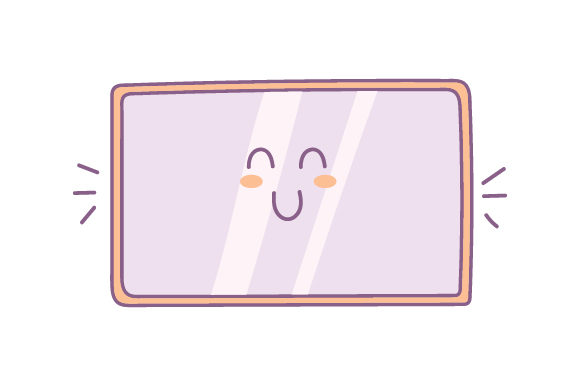
As a seasoned blog designer and digital publisher, I always look for graphic design assets that can elevate the visual tone of content without overwhelming it. When I first encountered Whiteboard Emoji, I was immediately drawn to its clean yet expressive style. This asset brings a fresh energy to editorial layouts and web design projects, especially those within the School Amp and Crafts niches. Its hand-drawn aesthetic suggests creativity, approachability, and a touch of personality—ideal for lifestyle-focused or educational content.
Editorial Mood and Niche Appeal
The Whiteboard Emoji design exudes a playful yet professional mood. It’s not too whimsical to feel untrustworthy, nor too stiff to lose charm. This makes it particularly well-suited for topics like creative writing, DIY crafts, classroom activities, and content marketing in educational or small business branding spaces. The emoji style feels modern and relatable, which is great for engaging younger audiences or readers who appreciate a casual but polished vibe.
From an editorial perspective, this design supports content that aims to be both informative and visually appealing. It naturally fits into niches such as:
- Education and e-learning platforms
- DIY and crafting tutorials
- Bloggers covering productivity, lifestyle, or parenting themes
- Affiliate marketers selling creative tools or school supplies
Real Publishing Use Cases
I’ve used similar emoji-based graphics across multiple publishing formats, and Whiteboard Emoji could easily integrate into these scenarios:
- Featured Images for Blogs: Whether you’re promoting a new article about back-to-school tips or sharing a fun craft idea, this emoji adds a layer of visual interest. It helps break up text-heavy featured images while reinforcing the theme.
- Pinterest Graphics: The transparent PNG format allows for seamless integration with layered designs. I found that pairing Whiteboard Emoji with bold headlines and soft backgrounds increases click-through potential on Pinterest boards related to crafts or education.
- Newsletter Headers: Adding an emoji beside a headline can make your newsletter more scannable and friendly. For instance, using it next to “Top 5 School Supplies Every Student Needs” gives a clear visual cue to the content inside.
- Lead Magnets and Digital Guides: If you're creating a downloadable resource like a free printable list of classroom essentials, this emoji can serve as an accent that enhances brand identity and makes the file feel more curated.
- Website Banners: When designing a banner for a School Amp product page, this emoji can subtly highlight key features or categories without being distracting.
- Category Thumbnails: In a multi-topic blog, using Whiteboard Emoji in thumbnails helps establish category recognition. Readers quickly associate the emoji with specific sections like “Crafting Tips” or “Back-to-School Prep.”
- Canva Templates: As someone who frequently builds templates for clients, I know how valuable it is to have scalable, editable assets. The SVG and EPSDXF formats mean you can scale this emoji up to large banners or down to tiny social media icons without losing quality.
Visual Communication and Brand Identity
One of the strengths of Whiteboard Emoji lies in its ability to support stronger visual hierarchy. In editorial design, visual hierarchy is crucial for guiding readers’ attention. Placing this emoji near key calls to action (like “Download Now” or “Read More”) can help draw the eye and improve engagement.
Its simple lines and flat colors also contribute to a consistent brand identity. For bloggers and online educators aiming to create cohesive content pages, this asset adds just the right amount of character without clashing with other design elements. You can use it repeatedly across different posts to reinforce your site's visual language, making your brand more recognizable and trustworthy.
Click-Through Potential and Reader Trust
In content marketing, the goal is often to encourage clicks and conversions. Whiteboard Emoji can boost the perceived value of your offerings, whether they're digital downloads, affiliate products, or lead magnets. A little emoji beside a title like “Creative Classroom Decor Ideas” signals that the content is organized, thoughtful, and tailored to the reader’s interests.
This kind of visual cue can also enhance reader trust. In niches like Crafts and School Amp, where authenticity and helpfulness are key, using a design that looks hand-crafted and intentional can make your content stand out from generic stock imagery.
Where Whiteboard Emoji Shines
Here are some of the best places to incorporate Whiteboard Emoji into your publishing workflow:
- Hero Images: Pair it with a bold sans-serif font for maximum impact.
- Article Thumbnails: Use it as a visual anchor to signal the topic at a glance.
- Editorial Accents: Add subtle emphasis to headings, subheadings, or bullet points.
- Content Upgrades: Include it in printables, worksheets, or PDF guides to give them a more professional finish.
- Category Visuals: Reinforce your blog’s structure with themed emojis for each section.
- Social Media Previews: It works well with short-form content, helping your posts stand out in crowded feeds.
Practical Publisher Notes
Before implementing Whiteboard Emoji in your real website or editorial layout, consider these practical tips to ensure it performs optimally:
- Test it on desktop and mobile screens: Emojis may appear differently depending on screen size and resolution.
- Check thumbnail performance: Preview how it looks when scaled down to see if it remains legible and effective.
- Review contrast and readability: Make sure it stands out against your chosen background—especially if you plan to use it in digital ads or eBook covers.
- Try it in black and white: Sometimes color isn’t available in all contexts, so confirming grayscale compatibility is essential.
- Pair it with various fonts: Test it alongside serif, sans serif, script, handwritten, and display fonts to find the most harmonious combinations.
- Optimize file sizes: While SVG files are lightweight, PNGs should be compressed properly to maintain fast loading times for your blog or website.
- Confirm commercial licensing: Since many publishers use these assets on monetized sites or paid digital products, it’s important to verify that the commercial license aligns with your intended use.
When to Use It Carefully
While Whiteboard Emoji is versatile, there are situations where it might not be the best fit. Here’s where caution is advised:
- Small Mobile Thumbnails: The details in the emoji might get lost at very small sizes, reducing its effectiveness.
- Text-Heavy Blog Images: Too many emojis can distract from the message. Use sparingly if your image relies heavily on text for communication.
- Low-Contrast Backgrounds: The flat color palette means it won't pop on muted or washed-out tones.
- BUSY LAYOUTS: Avoid overloading your visuals with too many emojis or other design elements—it can reduce clarity and professionalism.
- Serious Professional Niches: Corporate websites, financial blogs, or legal resources may find this emoji too informal or playful.
- Websites with Minimal Visual Systems: If your brand relies on ultra-clean, modern design, this emoji might introduce unnecessary texture or warmth.
Final Thoughts on Whiteboard Emoji
Overall, Whiteboard Emoji is a powerful graphic design asset that bridges the gap between editorial design and web design. It offers a unique blend of charm and clarity that supports better content marketing outcomes, especially in niches like Crafts and School Amp. By integrating it into your blog graphics, social media posts, and downloadable resources, you can strengthen your visual identity and improve user experience across your digital platforms.
Just remember to test it thoroughly and adapt it to your specific needs. With the right application, this emoji can become a staple in your creative toolkit, helping your content look more polished and clickable than ever before.